


Stopping the Clock: How to Actually Hit 500 Cans a Minute
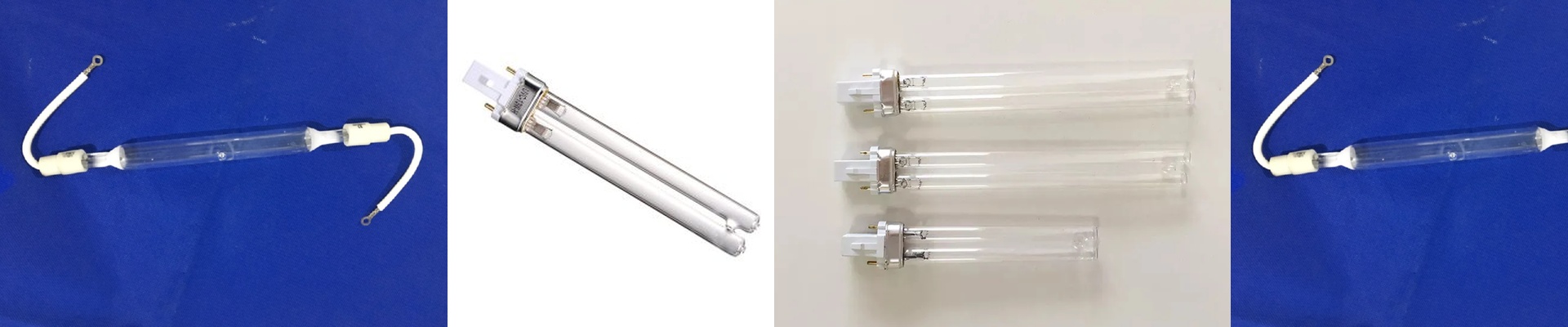
When you’re pushing 500 cans a minute, you aren’t really dealing with seconds anymore. You’re dealing with milliseconds. That is a tiny window to get a perfect, airtight seal or finish a sterilization cycle. The problem is that old-school resistive heaters just can’t keep up. They’re too slow. They lag. That’s why we use shortwave infrared (IR) lamps. Instead of waiting for air to heat up and move around, these lamps blast energy directly onto the foil or the seal. It happens instantly. The speed game To keep that 500 cpm pace, your heater needs to hit the target temperature and bounce back the moment the next can arrives. Shortwave IR does this in a heartbeat. We set these systems up to pack a ton of power into a tiny area. The goal? Melt that sealant layer fast, but stop right there. You want the seal to hold, but you don’t want to cook the food inside the can. The trade-offs (and how to avoid them) Now, here’s the catch. High-wattage IR tubes are fast, but they’re temperamental. If your voltage spikes, those filaments will burn out faster than you can blink. You need a precision power controller to keep things steady. And because these lamps put out so much raw heat, you can’t just slap them in a box. We use gold or aluminum reflective shielding to bounce the heat where it belongs. If you skip this, you’ll end up frying your conveyor bearings and sensors. Not a great look. Keeping it running We hate downtime as much as you do, so we design these lamps for quick swaps. We use standard connectors so you can just pop a new lamp in and get back to work without having to rewire the whole head. One last tip: if you’re running 24/7, keep an eye on the quartz glass. Dust and oil buildup happen. It seems minor, but that grime scatters the IR waves. Your efficiency drops, you’re forced to crank up the power, and suddenly your lamps are dying way too soon. Keep the glass clean. Your cycle speed will thank you.